
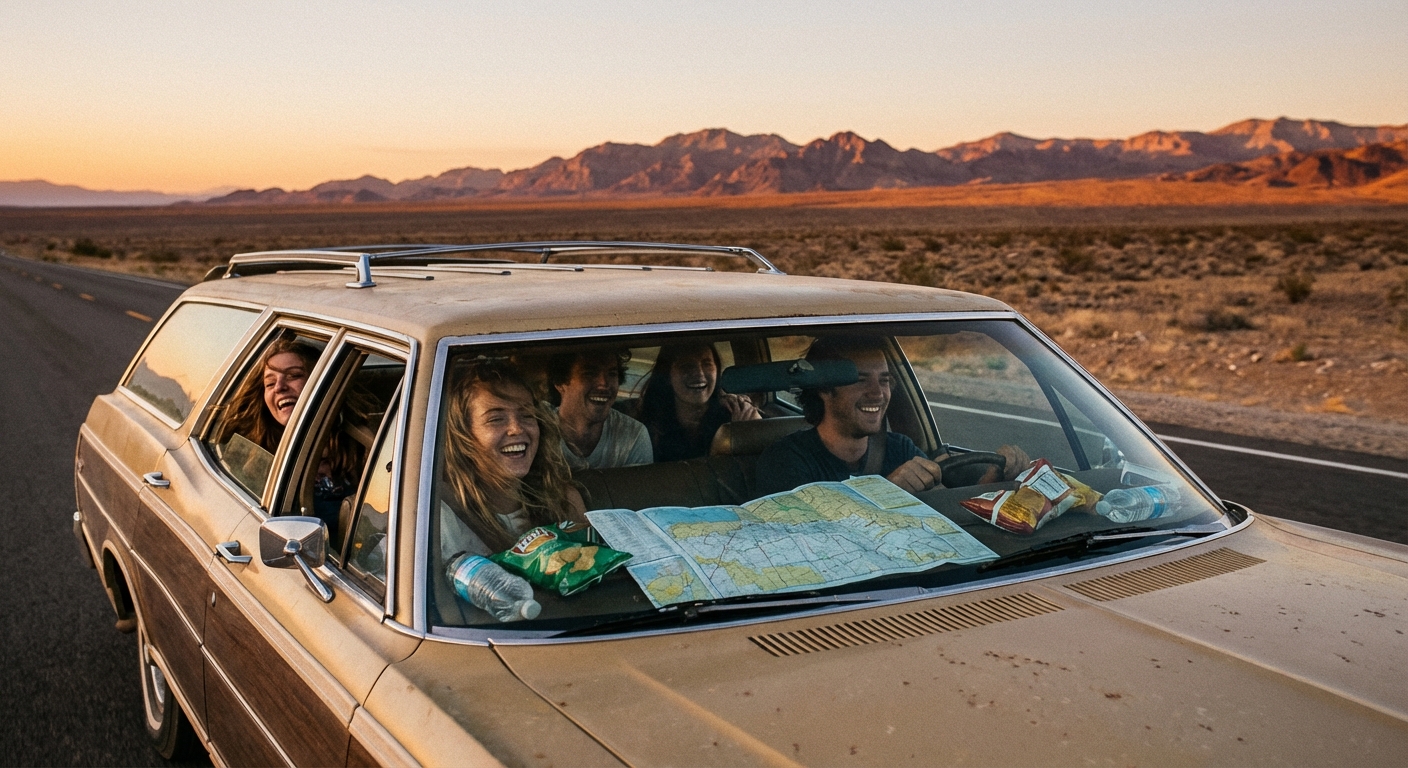
Airports rush you; trains glide past the details. Road trips do the opposite: they slow you down and plug you directly into the landscapes you cross. From tiny diner towns and trailheads with no names to skyline views from unexpected overlooks, cross‑country road trips deliver a kind of freedom that’s hard to script and impossible to forget.
Why the Open Road Still Wins
This guide walks you through planning a coast‑to‑coast (or border‑to‑border) adventure that’s big on experience and light on stress—no matter your budget.
Choosing Your Route: Legendary Drives & Hidden Gems
1. The Classic Coast‑to‑Coast (USA)
- Highlight reel: New York City → Appalachian Mountains → Nashville → Ozarks → Santa Fe → Grand Canyon → Las Vegas → Los Angeles.
- Why go: Mix of iconic cities, live music hubs, desert national parks, and Pacific sunsets.
- Best for: First‑time cross‑country road trippers who want a little bit of everything.
- Highlight reel: Vancouver → Canadian Rockies (Banff & Jasper) → Prairies → Great Lakes → Montreal → Atlantic Canada.
- Why go: Glacier‑fed lakes, moose sightings, and wild stretches of highway where it’s just you and the horizon.
- Best for: Travelers who love vast spaces, alpine scenery, and quieter roads.
- Highlight reel: Lisbon → Spanish coast → French countryside → Swiss Alps → Italian lakes → Croatia’s Adriatic coast.
- Why go: Dense concentration of cultures, cuisines, and landscapes.
- Best for: Explorers who want to combine road‑tripping with historic cities and world‑class food.
2. The Trans‑Canada Explorer
3. Pan‑European Road Ramble
Insider tip: Don’t try to do everything. Aim for one core theme: coastline, mountains, national parks, or culture. Let that be your compass when choosing detours.
Budget Blueprint: What a Cross‑Country Trip Really Costs
Road trips can be as scrappy or as luxe as you want. Here’s a rough per‑day breakdown (in USD) to target:
Bare‑Bones Adventurer ($50–$90/day)
- Accommodation: $0–$25 (car camping, national forest camping, hostel dorms)
- Food: $15–$25 (groceries, picnic lunches, occasional diner)
- Fuel: $20–$30 (shared among passengers)
- Activities: $5–$10 (park entry fees, occasional museum or local experience)
- Accommodation: $50–$100 (budget hotels, short‑term rentals, nicer campgrounds)
- Food: $25–$40 (mix of cooking and restaurants)
- Fuel: $20–$30
- Activities: $10–$20
Comfort‑Seeker ($100–$180/day)
How to Slash Costs Without Killing the Fun
- Travel shoulder season (spring or fall) for cheaper lodging and fewer crowds.
- Cook at least one meal a day. A cooler plus a camp stove pays for itself in three days.
- Buy national or regional park passes instead of paying per park.
- Share the ride. Splitting gas among 2–4 people dramatically lowers costs.
- Stay longer, move slower. Fewer driving days = less fuel, less burnout, more actual exploring.
Essential Packing List: What You’ll Actually Use
Road Trip Essentials
- Navigation: Offline maps (Google Maps offline or Maps.me), paper atlas as backup.
- Documents: Driver’s license, vehicle registration, insurance, roadside assistance card, and any border‑crossing paperwork.
- Money: A mix of cards and some local cash for rural gas stations and small towns.
- Spare tire, jack, and tire iron
- Jumper cables or jump starter
- Tire pressure gauge
- Basic tool kit and duct tape
- 5–10 liters of water in the trunk
- First‑aid kit (bandages, painkillers, antihistamines, blister care)
- Emergency blanket and headlamp
- Compact camp chairs and a small folding table
- Sleeping setup: lightweight tent and sleeping bags or car‑camping mattress
- Cooler and reusable food containers
- Travel kettle or camp stove with fuel
- Refillable water bottles and a water filter for wilderness stops
- Layered clothing: base layers, fleece, waterproof shell
- Quick‑dry underwear and socks
- Comfortable walking shoes + sandals or camp shoes
- Hat, sunglasses, sunscreen, insect repellent
- Toiletry bag with biodegradable soap and microfiber towel
Car & Safety Kit
Comfort & Camp Gear
Clothing & Personal Items
Pro tip: Dedicate one tote or duffel as the “daily grab bag” with snacks, chargers, toiletries, and layers so you don’t repack your life every night.
Daily Rhythm: How to Structure the Perfect Road Trip Day
To keep the trip inspiring instead of exhausting, aim for this rough structure:
Sunrise or Early Start
Hit the road early to reach popular hikes or viewpoints ahead of crowds.
Mid‑Morning Adventure
Plan one anchor activity: a trail, kayak rental, scenic drive, or walking tour.
Long Lunch & Local Flavor
Find a local cafe, food truck, or market. Ask the staff: “If I had one afternoon here, what shouldn’t I miss?”
Scenic Drive + Spontaneous Stops
Keep afternoons lighter. Pull over at overlooks, small towns, farm stands, or quirky roadside attractions.
Golden Hour & Camp Setup
Arrive at your overnight spot before dark to set up camp, cook, or stroll a new neighborhood.
Evening Wind‑Down
Journal, stargaze, swap stories, or plan the next day over a map.
Insider Recommendations for an Epic Cross‑Country Route
- Follow rivers and ridgelines. Roads that trace water or mountain ranges tend to be more scenic and packed with trailheads and viewpoints.
- Mix famous stops with “one‑road‑off” towns. Stay near major sights, but sleep and eat one town away where it’s cheaper and more authentic.
- Plan “zero‑drive” days. Every 4–5 days, stop for a full day in one place. Hike, swim, explore, or just rest.
- Bookmark local events. Check town calendars for farmers’ markets, free concerts, or festivals along your route.
- Use national forests for flexible camping. In many countries, national or crown land offers low‑cost or free dispersed camping—ideal for last‑minute stops.
Staying Safe Without Losing the Spirit of Adventure
- Know your limits. Don’t push more than 6–8 hours of driving in a day; swap drivers if possible.
- Fuel strategy: In remote regions, keep your tank above half. Top up where you can.
- Weather checks: Mountain passes, desert heat, and coastal storms can change road conditions fast.
- Share your route. Give a friend or family member a general itinerary and check in occasionally.
- Trust your gut. If a place feels off—lodging, roadside, trailhead—move on.
Ready to Roll: Turning the Idea into a Departure Date
- Pick a time window (even 7–10 days works).
- Choose a theme and direction (mountains, coast, or cross‑country).
- Sketch key stops you’re excited about—3–5 anchor destinations.
- Estimate a daily budget and start setting aside cash now.
- Book first and last night; leave the middle loose for discovery.
There will never be a perfect month, a perfect route, or a perfectly tuned car. The magic of a cross‑country road trip is that it unfolds precisely because you don’t control every mile.
Pick your horizon, pack the car, and start chasing it. The road will meet you halfway.