
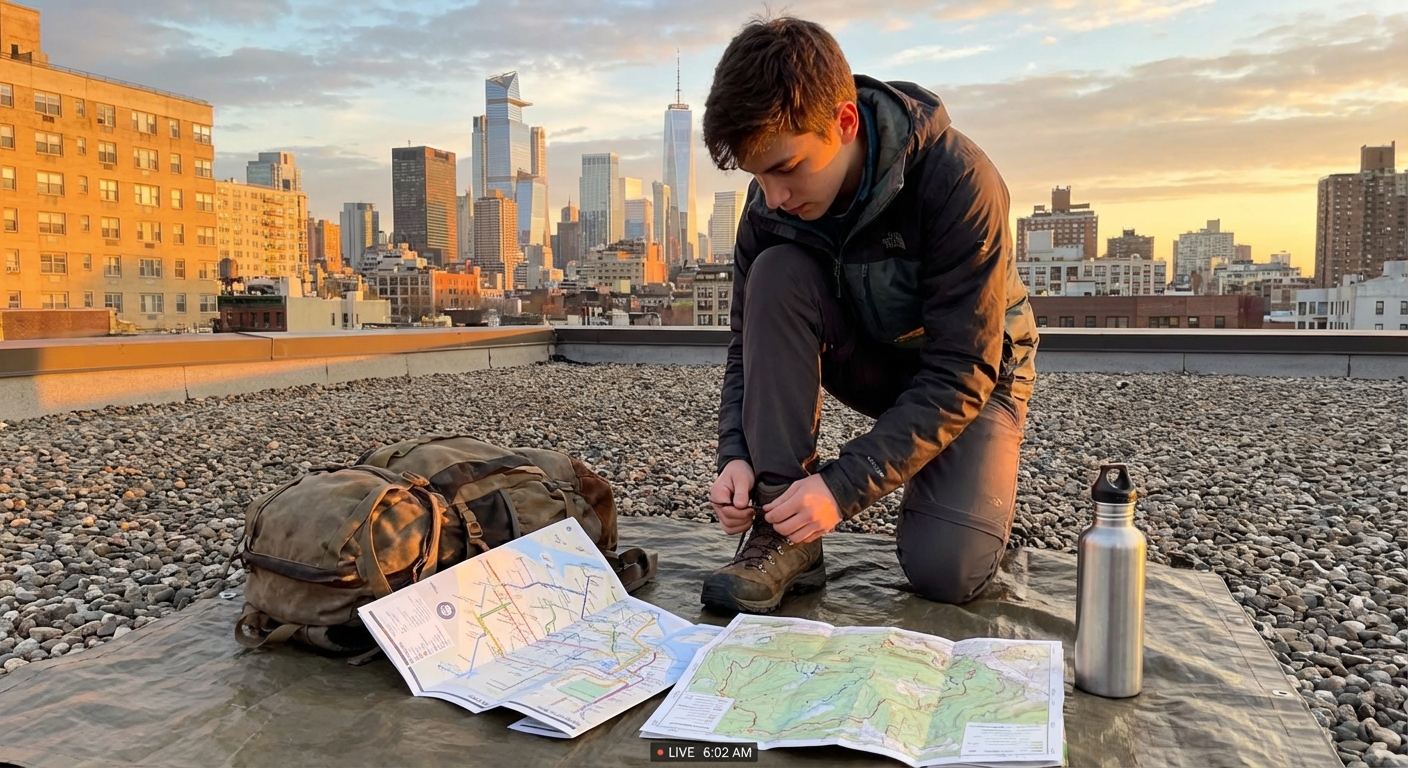
Urban skylines and adventure trails may seem like opposites—but the world’s great cities are some of the best launchpads for unforgettable outdoor experiences. A smart city guide doesn’t just show you museums and restaurants. It helps you:
Why City Guides Matter for Adventure Travelers
- Link metro lines to mountain trails.
- Swap rooftop bars for rooftop bivvies.
- Turn public parks into morning training grounds.
- Stretch your budget so you can splurge on that epic day trip.
Whether you’re flying into Paris, Bangkok, Cape Town, or Vancouver, treating the city as your basecamp can unlock wild experiences just beyond the office towers.
Destination Highlights: Cities That Double as Outdoor Hubs
Use this framework in any city, but here are a few classic examples that prove the concept:
1. Vancouver, Canada
- Why it’s epic: Ocean, mountains, and rainforest all within an hour.
- Don’t miss:
- Sunrise run or cycle around Stanley Park Seawall.
- Day hike to St. Mark’s Summit for sunset views over Howe Sound.
- Kayaking from Granville Island or Deep Cove.
- Urban bonus: Craft breweries in Mount Pleasant and food trucks by Canada Place.
2. Cape Town, South Africa
- Why it’s epic: A city wrapped around a mountain, backed by wine country, framed by wild coastline.
- Don’t miss:
- Early ascent of Lion’s Head for a 360° sunrise.
- Cable car up Table Mountain, hike down via Platteklip Gorge.
- Day trip to Cape Point for rugged cliff walks.
3. Tokyo, Japan
- Why it’s epic: Hyper-modern city with ancient trails and hot springs a train ride away.
- Don’t miss:
- Day hike on the Takaosan trails (Mount Takao).
- Stay near Shinjuku for easy rail access to the Alps and Mt. Fuji region.
- Explore riverfront cycling paths for long, flat rides.
Use these examples as mental templates when reading any city guide: where are the green belts, rivers, ridgelines, and train lines leading out to the wild?
The Adventure Traveler’s City Playbook
Instead of asking, “What is there to see in this city?” ask:
- What can I climb, paddle, or ride within 90 minutes of downtown?
- What public transport doubles as my adventure shuttle?
- Where can I train daily (stairs, parks, waterfront paths)?
Step 1: Read Between the Lines of Standard City Guides
Traditional guides focus on sights, not summits. To adapt them for adventure:
- Scan the “Day Trips” section first—it often hides trailheads, bike routes, canyons, or islands.
- Look for words like “viewpoint,” “park,” “fortress,” “promontory,” “reservoir,” or “suburban hiking.”
- Note any rivers, harbors, or lakes mentioned—they’re your gateways to paddling or watersports.
Step 2: Overlay Your Own Outdoor Interests
For each new city, build a simple matrix:
| Interest | Urban Options | Nearby Wild Options |
|---|---|---|
| Hiking | Stairs, city parks | Hills, local peaks, regional trails |
| Cycling | Bike lanes, river paths | Countryside loops, mountain passes |
| Paddling | Harbors, canals, lakes | Sea kayaking, remote coves, island hops |
| Climbing | Bouldering gyms, city crags | Multi-pitch routes, national parks |
Then search: "[City] trail running", "[City] crag", "[City] kayak rental", or "[City] via ferrata".
Budget Tips: Big Adventures, Small City Spend
Urban centers can be expensive, but your mission is to save in the city and splurge on the wild.
1. Stay Where Transit Meets Trail
- Book accommodation near a major transit hub (central station, key metro interchange).
- This reduces airport transfers and makes dawn departures for trailheads simpler.
- Pick hostels or guesthouses that advertise “hiking,” “outdoor tours,” or “bike rental.” Staff often know cheap ways to get out of town.
2. Eat Like a Local Athlete
- Grab breakfast and snacks from grocery stores or markets instead of cafés.
- Aim for portable, calorie-dense items: nuts, fruit, local bread, hard cheese, jerky.
- Seek out lunch specials, street food, and canteen-style eateries for a big midday meal after your morning adventure.
3. Use City Cards Strategically
Many cities offer transport + attraction cards. As an outdoor traveler, you might:
- Skip museum-heavy passes but invest in unlimited transit passes for flexible trail access.
- Use bike-share systems instead of taxis.
4. Split Costs on Day Trips
- Ask in your hostel, climbing gym, or on local forums if anyone is:
- Hiring a car for a day of hiking.
- Heading to the same crag or national park.
- Carpooling cuts costs and often leads to new trail buddies.
Essential Packing List for Urban Basecamps
Think modular: gear that works on the street and on the summit.
Core Adventure Kit
- Daypack (20–30L) – Urban-appropriate color, but with a good hip belt and chest strap.
- Lightweight rain shell – Doubles as a windbreaker for city walks.
- Insulating layer – Thin fleece or down jacket that packs small.
- Trail runners or approach shoes – Stylish enough for city, grippy enough for trails.
- Technical t-shirt + one long-sleeve – Quick-dry for hiking, neutral enough for cafés.
- Convertible or slim hiking pants – Look like regular travel pants, perform like trailwear.
City-Specific Add-ons
- Collapsible tote bag – For groceries, markets, or extra layers.
- Compact lock – For hostel lockers and securing gear in shared spaces.
- Microfibre towel – Useful for hostels, river swims, and sweaty summit days.
Trail Essentials That Fit in Any City Pack
- 1–2L water capacity (collapsible bottle or hydration bladder).
- Simple first-aid kit with blister care.
- Headlamp (even if you don’t plan to hike in the dark).
- Hat, sunglasses, sunscreen.
- Offline maps app (download city + surrounding region).
Insider Recommendations: How to Find the Hidden Wild
Locals are your best resource, but you need to know where to find them.
1. Tap into City Outdoor Communities
Before you arrive, search for:
- Local hiking or climbing clubs on Facebook, Meetup, or Strava segments.
- Outdoor shops and climbing gyms: Ask the staff, “If you had one day off, where would you go?”
- Running stores for group runs that show off parks and ridgelines.
2. Talk to People at the Right Time
- Ask hostel dormmates or bar patrons in the early evening, when they’re planning their next day.
- Share your plan: “I’ve got one full day—looking for something wild but reachable by train or bus.”
3. Explore Beyond the Top 10 Lists
- Once you know the main tourist peak or viewpoint, ask: “What’s the quieter alternative with similar views?”
- Look for smaller stations or trailheads on the same transit line.
- Search for
"[City] lesser-known hikes"or"[City] locals’ favorite park".
Turning Your Next City Trip into an Expedition
Every city has:
- A skyline to frame your morning run.
- A park or hill with a lookout that doubles as a warm-up climb.
- Transit lines that push into reservoirs, ridges, farms, and coastlines.
Approach your next city guide like a topo map, not just a list of attractions. Highlight the edges where pavement gives way to dirt and you’ll discover a new style of travel: using cities not as destinations, but as launchpads for the wild.
Open a map of your dream city right now. Trace the green patches, follow the blue lines of rivers to the hills, and find that one trailhead you can reach on a dawn train. That’s where your urban adventure begins.