
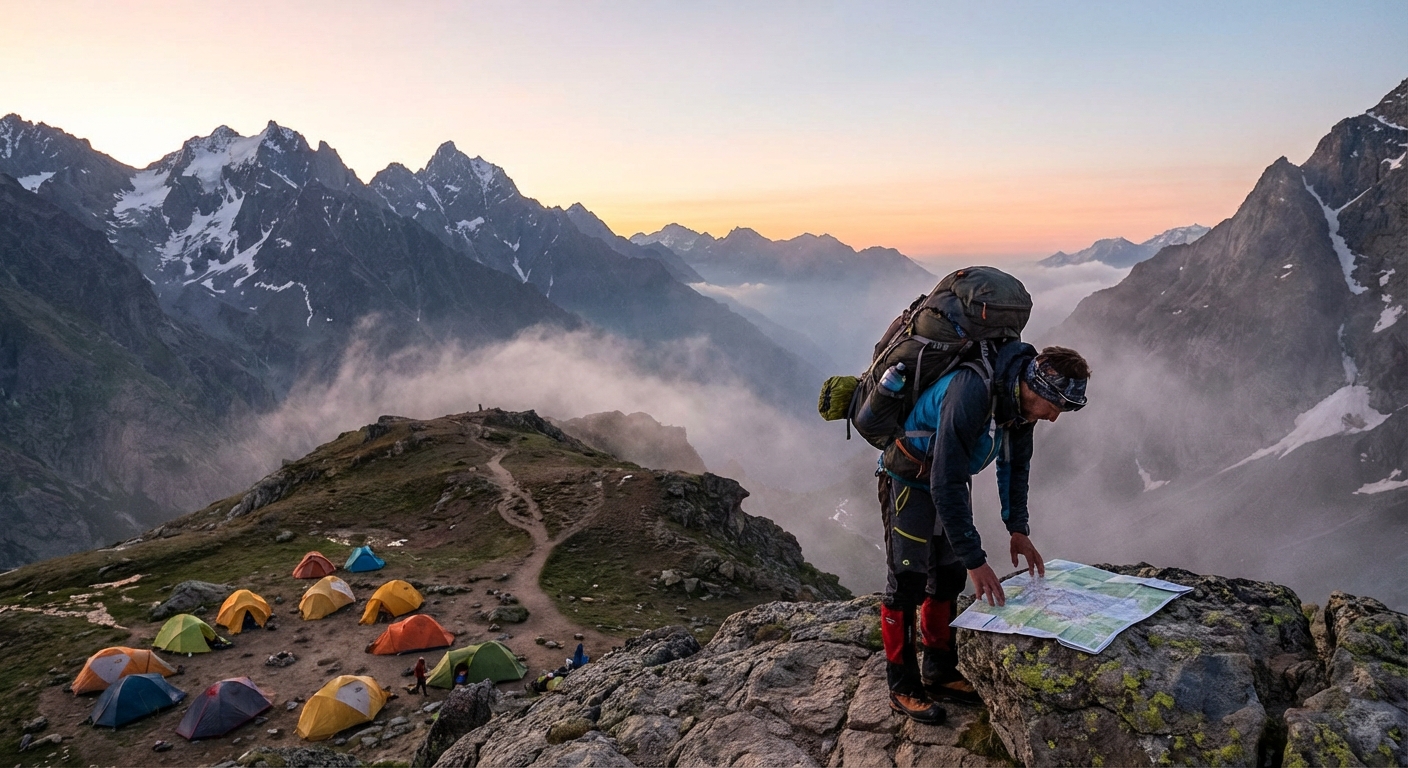
There’s a moment on every multi‑day trail when you look back and can’t see a single road, building, or power line—only ridgelines, wind, and the steady rhythm of your footsteps. That’s the magic of long-distance hikes. They’re not just walks in the woods; they’re moving expeditions that reboot your sense of scale, time, and what your body can actually do.
Why Multi‑Day Hiking Trails Belong on Your Bucket List
Whether you dream of tackling the Tour du Mont Blanc, the Laugavegur Trail in Iceland, Patagonia’s classic W Trek, or a quieter gem like the West Highland Way in Scotland, planning your first big trek can feel overwhelming. This guide breaks it down into doable steps so you can go from daydreaming to trail-ready.
Step 1: Choose the Right Trail for Your Level
Not all epic hikes demand mountaineering skills or survivalist grit. Match your experience, fitness, and time to the right trail.
Great Starter Multi‑Day Trails
- West Highland Way, Scotland (154 km / 96 mi)
- Best for: First-timers, pub lovers, solo hikers
- Season: May–September
- Laugavegur Trail, Iceland (55 km / 34 mi)
- Best for: Adventurous beginners with reasonable fitness
- Season: Late June–early September
- Milford Track, New Zealand (53.5 km / 33 mi)
- Best for: Planners who like structured logistics
- Season: Great Walk season (late October–April)
Rolling highlands, lochs, and moody skies. Well-marked, with regular villages and accommodations.
Steam vents, technicolor mountains, black sand deserts. Sleep in huts or camp.
Glacier-carved valleys and waterfall country. Managed huts, limited permits.
Good Next‑Level Treks
- Tour du Mont Blanc (France–Italy–Switzerland, ~170 km / 106 mi)
- W Trek, Torres del Paine, Chile (60–80 km / 37–50 mi)
Alpine passes, cowbells, and mountain huts serving hot, hearty dinners.
Iconic granite towers, glaciers, Patagonian winds.
Insider tip: Start with a 2–3 day trip close to home to test your systems (gear, fitness, camp routine) before flying across the world.
Step 2: Build a Realistic Budget
Multi‑day trails can be surprisingly affordable—or shockingly pricey—depending on where you go and how you sleep.
Key Cost Categories
Transport
- Flights or long-distance trains/buses - Local transfers to trailheads (shuttles, taxis, ferries)
Permits & Park Fees
- Daily park fees (e.g., Torres del Paine) - Limited entry permits (e.g., Milford Track)
Accommodation
- Camping (cheapest; $0–$20/night depending on region) - Mountain huts / refuges ($30–$90/night) - Guesthouses, hostels, or B&Bs on village-based routes
Food
- Grocery store resupplies - Trail breakfasts, lunches, and dehydrated dinners - Occasional restaurant splurges in towns or refuges
Gear (if you’re starting from scratch)
- Backpack, boots, sleeping bag, tent, etc.
Budget‑Saving Strategies
- Target hut-based routes if you don’t own a full camp setup yet.
- Buy or borrow used gear via outdoor forums, local buy/sell groups, or rental shops at major trailheads.
- Travel shoulder season (but stay within safe weather windows) for lower prices and fewer crowds.
- Self-cater most meals and save restaurants for the bookend nights.
- Huts: $60 x 6 nights = $360
- Food: $20/day x 7 = $140
- Transport & misc.: ~$150
Sample 7‑day budget (hut-based Europe, excluding flights):
Total: ~$650
Step 3: Pack Smart, Not Heavy
Every extra kilogram in your pack gets heavier with each kilometer you hike. Aim for a base weight (gear minus food and water) that feels manageable. For most beginners, 8–12 kg is a good target if camping, lower if using huts.
Essential Gear Checklist
Core Gear
- Backpack (40–60 L for hut trips; 50–70 L for camping)
- Lightweight tent or bivy (if not using huts)
- Sleeping bag (rated to the coldest expected night) + sleeping pad
- Trekking poles (knee-savers on descents)
- 1–2 moisture-wicking base layer tops
- 1 warm midlayer (fleece or light puffy)
- Shell jacket (waterproof, breathable)
- Hiking pants + optional lightweight shorts
- 2–3 pairs hiking socks (merino preferred)
- Beanie and gloves (even in summer at altitude)
- Broken-in hiking boots or sturdy trail runners
- Light camp shoes or sandals (optional but morale-boosting)
- Map + compass (and GPS app/GPX files offline)
- Headlamp with spare batteries
- Small first aid kit (blister care is non-negotiable)
- Whistle and emergency blanket
- Lightweight stove + fuel (check airline/ferry rules)
- Pot, spoon, collapsible mug
- Water treatment (filter, tablets, or UV purifier)
- 2–3 liters total water capacity
- Compact power bank
- Trekking towel
- Notebook or journal
- Lightweight camera or your phone with a good case
Clothing (Layering System)
Footwear
Safety & Navigation
Kitchen & Food (if self-catering)
Nice-to-Haves
Insider tip: Lay everything out, then remove 20%. You’ll rarely miss what you left behind.
Step 4: Train for the Trail (Without Living in a Gym)
You don’t need ultra-runner fitness, but you do need consistency.
6–8 Weeks Out
- Weekend hikes: 1–2 hikes per week; gradually increase distance and elevation.
- Weekday movement: 2–3 sessions mixing brisk walks, stair climbs, or light jogs.
- Pack practice: Do at least two hikes with your pack at planned trail weight.
Simple Conditioning Routine
Twice a week:
- 3 sets of 15–20 bodyweight squats
- 3 sets of 10–15 lunges (each leg)
- 3 sets of 20–30 seconds planks
- 10–15 glute bridges
Strong legs and a stable core make long descents and uneven terrain feel far less punishing.
Step 5: Daily Trail Rhythm & On‑The‑Ground Tips
The magic of a long hike lives in the daily rhythm you build:
- Early start: Wake with first light. Beat the heat, storms, and crowds.
- Steady pace: Hike at a conversational pace. This isn’t a race; it’s a moving home.
- Snack often: Small, frequent bites keep your energy levels stable.
- Breaks with purpose: Adjust layers, check hot spots on your feet, hydrate.
- Arrive before dusk: Give yourself time to set up camp or settle into the hut.
Insider Trail Etiquette
- Yield to uphill hikers on narrow sections.
- Leave no trace: Pack out all trash, including tissues and food scraps.
- Respect locals: Greet people on the trail—smiles cross language barriers.
- Quiet hours in huts: Use red light on headlamps; pack quietly in the morning.
Destination Highlights to Fuel Your Imagination
- Sunrise over the Patagonian spires on the W Trek, when the towers flush pink and orange.
- Crossing a high pass on the Tour du Mont Blanc, cowbells echoing below as glaciers catch the morning light.
- Soaking your feet in a glacial river in Iceland, steam drifting from nearby hot springs as rhyolite mountains glow gold.
- Following a lochside trail in Scotland, castle ruins in the distance, the smell of peat fires at day’s end.
These aren’t just views; they’re moments that feel like you’ve stepped cleanly out of your old life for a while.
Final Push: Commit to a Date, Not a ‘Someday’
Your first epic multi‑day hike won’t plan itself. To transform the idea into a real journey:
- Pick a trail and season today.
- Book time off and rough out a budget.
- Reserve key huts or campsites early on popular routes.
- Start walking with a pack this week, even if it’s just around your city.
The trail won’t care what job you have, how old you are, or how many followers you’ve collected. It will simply rise ahead of you, turn after turn, waiting for your footsteps.
Choose your route, shoulder your pack, and step into the skyline.