
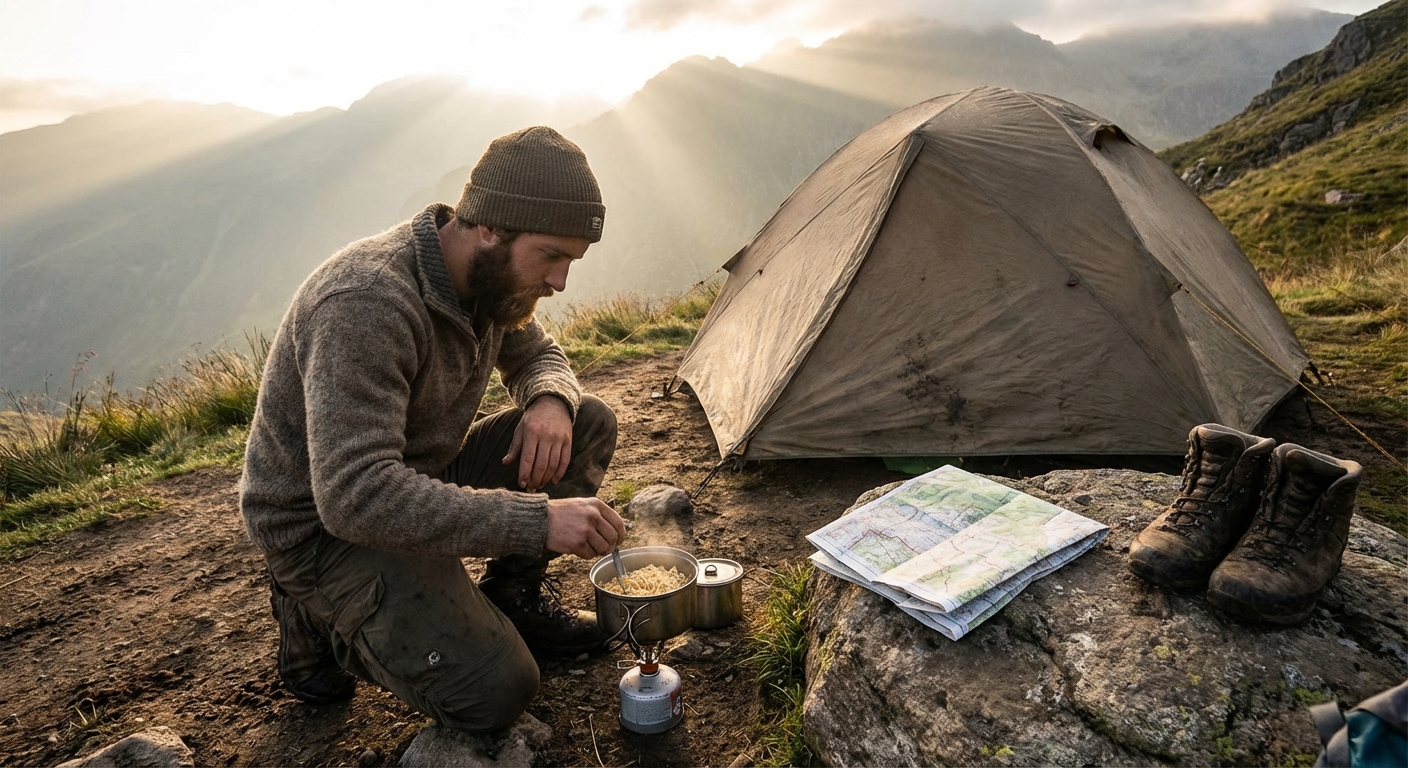
Global hiking photos tend to come with a silent message: this is expensive. Fancy gear, long-haul flights, hut stays that cost as much as hotels—it adds up. But legendary trails are more accessible than they look if you’re strategic.
You Don’t Need a Trust Fund to Chase Big Trails
This guide focuses on budget tactics: how to pick destinations, trim costs, rent or borrow gear, and still feel safe and well-equipped on the trail.
1. Choose Budget‑Friendly Destinations First
Some places are simply kinder to your wallet once you’re on the ground.
Excellent Value Hiking Regions
- Balkans (Albania, Montenegro, Kosovo)
- Peaks of the Balkans Trail and Valbona–Theth hike
- Cheap guesthouses, hearty meals, and wild mountain scenery.
- Nepal
- Annapurna, Langtang, and Everest region treks
- Tea houses mean you can travel light; daily costs as low as $25–$40.
- Georgia (Caucasus)
- Mestia to Ushguli trek
- Dramatic peaks, village hospitality, and home-cooked food.
- South & Central America
- Peru’s lesser-known routes (Choquequirao, Ausangate), Colombia’s Cocora Valley
- Lower day-to-day costs than Europe or North America.
Insider tip: A $1000 budget goes much further for a month in Nepal than a week in the Alps.
2. Travel Smarter, Not Faster
Transport is often your biggest expense.
Flight & Transport Savings
- Flexible dates: Use fare trackers and be willing to shift your plans by a few days.
- Nearby airports: Fly into cheaper regional hubs, then take buses or trains.
- Overland where possible: Night buses and trains save on both transport and accommodation.
Trailhead Strategies
- Use local buses or shared taxis instead of private transfers.
- Ask guesthouses about ride-shares or shuttles; hikers are constantly coming and going.
3. Rent, Borrow, or Buy Used Gear
You don’t need a brand-new, high-end setup to hike safely.
Gear on a Budget
- Rent near the trail: Many popular hiking hubs (Chamonix, Pokhara, Huaraz, Queenstown) have reputable rental shops.
- Borrow from friends or local clubs: Outdoor clubs often have communal gear libraries.
- Buy used: Check outdoor forums, local buy/sell groups, and refurbished gear from major retailers.
Prioritize Spending on:
- Footwear: Ill-fitting, cheap boots can ruin a trip; here’s where quality matters.
- Backpack: Comfort and fit > brand and features.
- Weather protection: A decent rain jacket and warm layer are non-negotiable.
Everything else? Functional and safe beats fancy.
4. Sleep Cheap (But Smart)
Accommodation can eat your budget faster than trail snacks. Focus on simple, safe, and well-located.
Options by Trail Type
- Hut-based trails (Alps, New Zealand):
- Book the simplest bunk options; choose half-board for value on remote routes.
- Mix huts with valley campgrounds or hostels to save.
- Tea house trekking (Nepal, parts of Peru):
- Tea houses are inexpensive; cost is mostly in meals.
- Negotiate room prices when you commit to eating dinner and breakfast there.
- Camping:
- National park campgrounds are usually the cheapest.
- Carry a lightweight tent to unlock free or low-cost wild camping where legal.
Insider tip: Always check local regulations—wild camping is welcome in some countries and banned in others.
5. Eat Like a Local (and Like a Hiker)
Food is both fuel and culture—but you don’t need restaurant meals twice a day.
Budget Food Strategies
- Grocery store staples: Oats, instant noodles, couscous, tortillas, nut butters, trail mix, and local cheese or cured meats.
- Market lunches: Sample regional food at markets instead of tourist restaurants.
- Cook most dinners: A simple stove pays for itself quickly on longer trips.
Trail Meal Ideas
- Breakfast: Oats + powdered milk + dried fruit + nuts
- Lunch: Tortillas with peanut butter and jam or cheese; nuts; chocolate
- Dinner: Couscous or instant rice + canned fish or lentils + spices
Insider tip: Bring your favorite spice mix or hot sauce from home—tiny weight, huge morale boost.
6. Minimalist but Complete: Budget Packing List
You want to pack light and right. Here’s a lean kit for budget trekkers:
Essentials
- Backpack (45–60 L)
- Lightweight tent or tarp (if not using huts/tea houses)
- Sleeping bag appropriate for season
- Sleeping pad (closed-cell foam pads are cheap and durable)
Clothing (3–4 day rotation)
- 2 base layer tops
- 1 warm midlayer
- 1 rain jacket + rain pants
- 1 pair hiking pants
- Optional shorts/leggings
- 3 pairs socks + 2 pairs underwear
- Warm hat, sun hat, thin gloves
Kitchen & Water
- Budget stove + small pot
- Lighter + backup matches
- Spoon (sporks break, spoons don’t)
- 2 x 1 L bottles or a 2–3 L hydration bladder
- Water purification (tablets are cheap and light)
Safety & Admin
- First aid kit (DIY to save money)
- Map and offline navigation app
- Headlamp
- Passport, permits, and copies
Skip duplicate outfits, heavy books, and multiple pairs of shoes.
7. Save by Traveling Longer, Not Shorter
This sounds backwards, but stretching your trip can lower your daily cost.
- Long-haul flights are the same price whether you stay a week or a month.
- Monthly accommodation or homestays near trailheads can be cheaper than constant moving.
- You can slow down, take cheaper overland options, and avoid expensive last-minute bookings.
Pair one flagship trek with several shorter, local trails in the same region to maximize value.
8. Sample Shoestring Itinerary: 3 Weeks in Nepal
- Week 1: Fly into Kathmandu, sort permits and gear; take bus to Pokhara. Day hikes to test your setup.
- Week 2: 7–10 day Annapurna region trek, sleeping in tea houses, eating local food.
- Week 3: Recovery days in Pokhara, plus an extra short trek or cultural visits. Fly out.
Approximate daily budget (excluding flights): $30–$40 = $630–$840 for the full three weeks.
9. Non‑Negotiables: Where Not to Cut Corners
Going cheap should never mean going unsafe. Do not skimp on:
- Travel insurance that covers trekking and evacuation.
- Weather-appropriate clothing and sleep system.
- Adequate food and water treatment.
- Local regulations: Don’t risk fines or rescues by camping illegally.
Turn Your Budget Into Bootprints
Open a note right now and write:
- A realistic total budget
- A region that excites you
- A rough trip length
From there, pick one trail, price flights, and make a simple savings plan. Maybe it’s $10 a week cut from takeout or coffees, funneled into a “trail fund.”
Legendary routes are not reserved for the wealthy—they’re waiting for anyone willing to plan, prioritize, and carry their own pack. With a smart budget and a bit of grit, your next stamp in the passport could be a trailhead.